
The Friday mapping tests used a physical Plug & Pixel model as a small projection surface. The object made it possible to study alignment, edge behavior and content scale without waiting for a full venue setup.
From digital model to physical surface
A physical form does not behave like the clean geometry in a 3D scene. Material texture, fabrication tolerance, projector angle and ambient light all change the result. The styrofoam model turned those differences into something measurable at home.
Playback and alignment
PIXERA was used for playback and mapping tests in collaboration with Omagica. The goal was to align content to the nested parts of the mark and observe where a small positional error became visible. Simple lines and blocks were more informative than a finished animation because they exposed the geometry directly.
What the Blender studies contributed
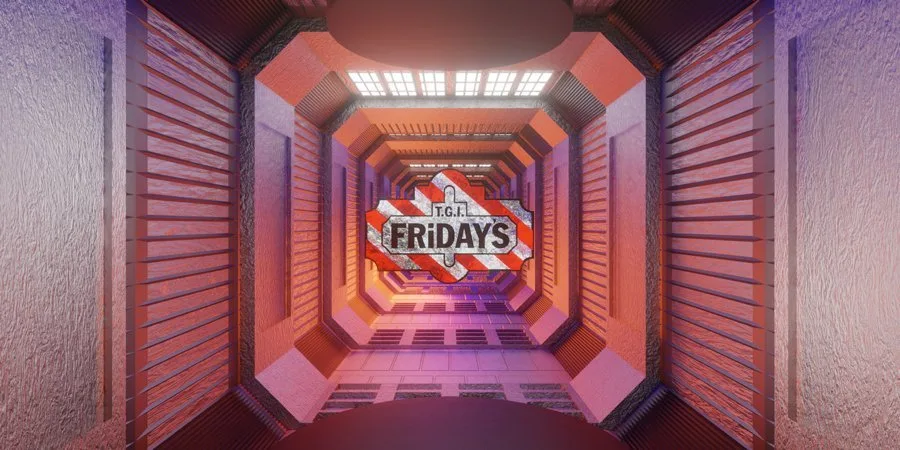
Blender provided a way to explore camera, depth and material ideas before returning to the physical projection. The digital and physical tests were not treated as identical; they formed a loop. A render suggested a direction, the projection revealed a practical limitation, and the next digital test could respond to it.
Why keep small experiments
Not every useful investigation needs to become a case study. Lab notes preserve the questions, show the development process and create a reference for future projection-mapping work. The accompanying videos remain as records of that test cycle.